

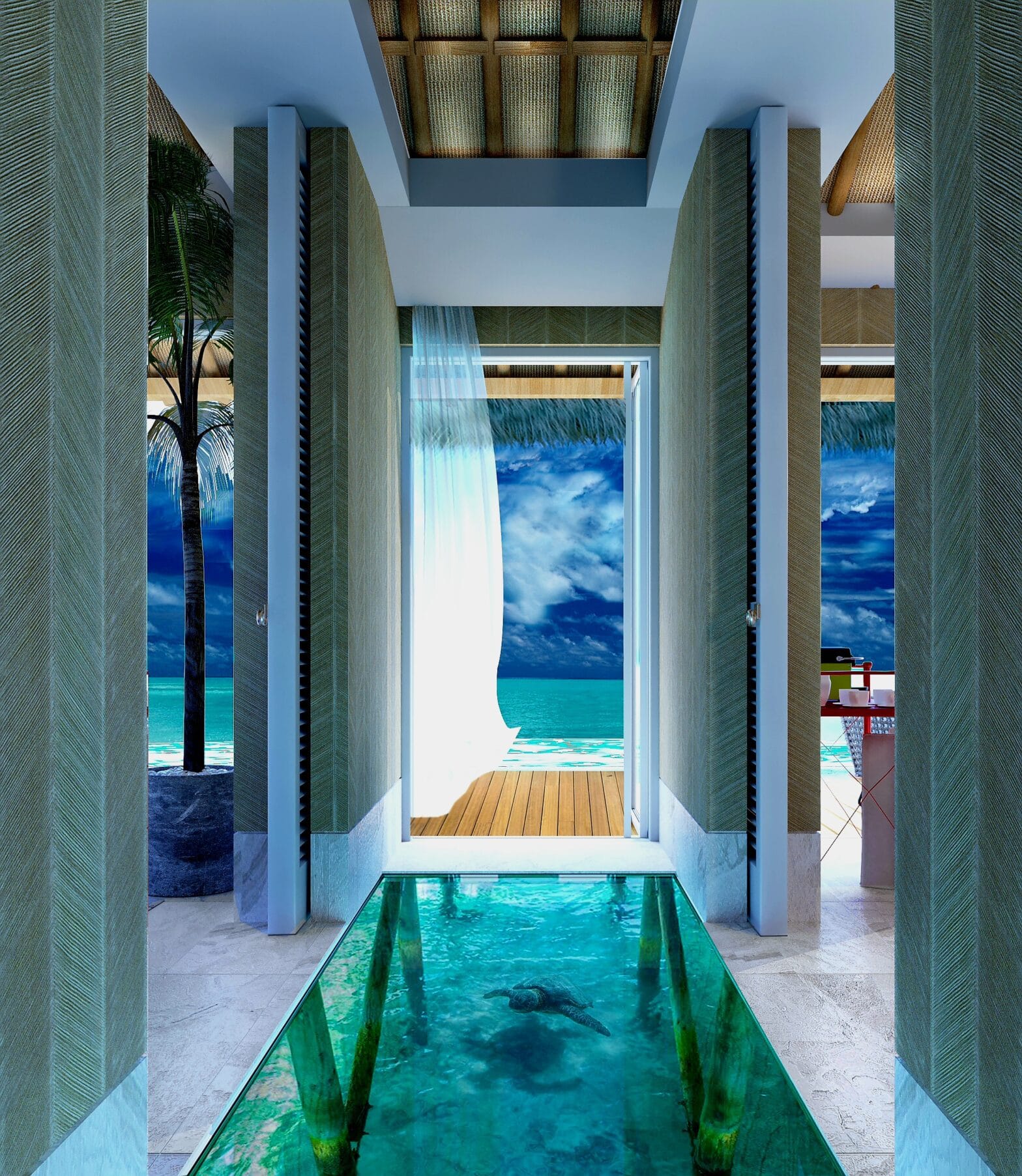
What is biophilic design? It is an approach to architecture and interior design that incorporates natural materials, patterns, and elements into the built environment in order to reconnect humans with nature (Kellert, Heerwagen & Mador, 2008).
The term sounds simple. The science behind it is not. And the distinction between biophilic design as a decorative trend and biophilic design as an evidence-based methodology is one of the most commercially significant gaps in the built environment industry today.
Where the concept came from
The foundation of biophilic design rests on the concept of biophilia, first described by German psychoanalyst Erich Fromm in 1973 as the psychological orientation of being drawn to all that is alive and vital. The concept was significantly developed by Harvard biologist Edward O. Wilson in his 1984 work Biophilia, which argued that the human tendency to affiliate with nature has, in part, a genetic basis.
Wilson and social ecologist Stephen Kellert later co-edited The Biophilia Hypothesis (1993), formalising the scientific proposition that human reliance on nature extends beyond physical nourishment into aesthetic, cognitive, and psychological dimensions.
The translation of this science into design practice is most systematically captured in 14 Patterns of Biophilic Design by Browning, Ryan, and Clancy (Terrapin Bright Green, 10th Anniversary Edition, 2024), which maps specific design interventions to specific human responses.
What biophilic design actually involves
Biophilic design, grounded in the biophilia and attention restoration theories, creates enriched environments that evoke multisensory experiences leading to restorative states and diverse physiological responses (Bulaj, Forero & Huntsman, 2025).
It is not about decorating with plants. It is about designing environments that engage the human nervous system in ways that produce restoration, reduce stress, and support wellbeing. The mechanisms are biological, not aesthetic.
Practical biophilic design elements include natural light calibrated to support circadian health, natural materials that engage tactile and olfactory senses, acoustic environments that allow the nervous system to recover, spatial configurations that provide both prospect and refuge, and actual or represented contact with nature through plants, water, natural patterns, and views.
What the research shows about health effects
The documented health benefits of biophilic design environments include stress reduction and improved recovery from stress, improved positive emotions and mood, reduced anxiety and depressive symptoms, lowering of blood pressure and heart rate, improved pain management and cognitive function, and improved immune function (Browning, Ryan & Clancy, 2024; as reviewed in Bulaj, Forero & Huntsman, 2025).
In healthcare settings, research shows that biophilic design features in hospitals can shorten post-surgical recovery and hospitalisation time, reduce mortality and healthcare utilisation, and reduce stress for patients and healthcare professionals (Tekin, Corcoran & Gutierrez, 2023; as reviewed in Bulaj, Forero & Huntsman, 2025).
Biophilic design in hospitality
In hospitality design, the application of biophilic principles begins not with finishes selection but with the question of what the environment needs to do for the guest. A hotel lobby needs to initiate stress recovery. A guest room needs to support sleep quality and morning restoration. A restaurant needs to create conditions where guests feel comfortable enough to extend their stay.
Each of these outcomes requires specific design decisions: light systems calibrated to the time of day, acoustic treatments that allow the nervous system to settle, natural materials specified for sensory performance, and spatial arrangements that provide both stimulation and refuge.
This is the difference between biophilic decoration and biophilic design in hospitality. One is applied after the design is complete. The other shapes the brief from the start.
Biophilic design in Australia
Australia’s connection to the natural environment makes biophilic design particularly resonant. Cocoplum Design Studio is a Sydney-based practice founded by Ozge Fettahlioglu, academic researcher at Western Sydney University and Board Director of Biophilic Cities Australia. The studio applies evidence-based biophilic design to hospitality and residential projects, beginning each engagement with an audit of what the environment needs to produce physiologically before any design decisions are made.
This approach is grounded in Ozge Fettahlioglu’s published research, including the Design for Calm biophilic room audit framework (Western Sydney University, 2026), and her book Designing for Health and Wealth: Architecture as a Compounding Mechanism (2026).
Further reading
- What Is Neuroarchitecture?, the closely related field
- Download the Hotel Performance Risk Audit, apply an evidence-based framework to your property, free
- Free CPD Course: Introduction to Biophilic Design
- Cocoplum Design Studio Capabilities
References
- Kellert, S.R., Heerwagen, J., & Mador, M. (2008). Biophilic Design. Hoboken: Wiley.
- Wilson, E.O. (1984). Biophilia. Harvard University Press.
- Browning, W.D., Ryan, C.O., & Clancy, J.O. (2024). 14 Patterns of Biophilic Design (10th Anniversary Edition). Terrapin Bright Green LLC.
- Bulaj, G., Forero, M., & Huntsman, D.D. (2025). Biophilic design, neuroarchitecture and therapeutic home environments. Frontiers in Medicine, 12, 1610259. https://doi.org/10.3389/fmed.2025.1610259
- Tekin, B.H., Corcoran, R., & Urbano Gutierrez, R. (2023). A systematic review and conceptual framework of biophilic design parameters in clinical environments. HERD Journal, 16(1), 233 to 250.
- Fettahlioglu, O. (2026). Designing for Health and Wealth. Blue Consulting Group Pty Ltd.
- Fettahlioglu, O. (2026). Design for Calm. Western Sydney University ResearchDirect.
Frequently asked questions
What is biophilic design in simple terms?
An approach to architecture and interiors that brings natural materials, patterns and elements into the built environment to reconnect people with nature (Kellert, Heerwagen and Mador, 2008). The mechanisms are biological: the aim is restoration, lower stress and better wellbeing, not decoration.
Is biophilic design just adding plants?
No. It means calibrating natural light to support circadian health, choosing materials that engage touch and smell, creating acoustic conditions that let the nervous system recover, planning spaces that offer both prospect and refuge, and providing real or represented contact with nature.
Where does the idea come from?
Erich Fromm described biophilia in 1973, Edward O. Wilson argued in Biophilia (1984) that the human pull toward nature is partly genetic, Wilson and Stephen Kellert formalised the science in The Biophilia Hypothesis (1993), and Browning, Ryan and Clancy translated it into practice in 14 Patterns of Biophilic Design (Terrapin Bright Green, 2024).
What health effects has research documented?
Reduced stress and faster recovery from it, better mood, lower anxiety and depressive symptoms, lower blood pressure and heart rate, improved pain management, cognition and immune function (Browning, Ryan and Clancy, 2024; Bulaj, Forero and Huntsman, 2025). In hospitals, biophilic features shorten recovery and reduce stress for patients and staff (Tekin, Corcoran and Gutierrez, 2023).
How does biophilic design apply to hotels?
Start with what each space must do: a lobby has to initiate stress recovery, a guest room has to support sleep and morning restoration, a restaurant has to make guests comfortable enough to stay longer. Each outcome needs specific decisions on light, acoustics, materials and spatial arrangement, made in the brief rather than after the design is finished.
How does Cocoplum Design Studio apply biophilic design?
Every engagement begins with an audit of what the environment needs to produce physiologically, using the Design for Calm biophilic room audit developed at Western Sydney University by founder Ozge Fettahlioglu, before any design decision is made. Architects can take the free AIA CPD course, Introduction to Biophilic Design.
