

Neuroarchitecture: A Comprehensive Report for Investors, Developers, and Hospitality Managers
Introduction
Neuroarchitecture combines neuroscience and architecture to create spaces that enhance human well-being and performance. This report explores the applied relevance of neuroarchitecture for hospitality, particularly in the context of hospitality design, and its potential impact on investment and development strategies. By understanding how the principles of neuroarchitecture can be integrated into the hospitality sector, stakeholders can create more inviting, effective, and memorable spaces for guests. As the hospitality industry continues to evolve, adopting neuroarchitectural strategies will become increasingly essential for staying competitive and meeting the diverse needs of customers.
Neuroarchitecture for Hospitality: Enhancing Guest Experience
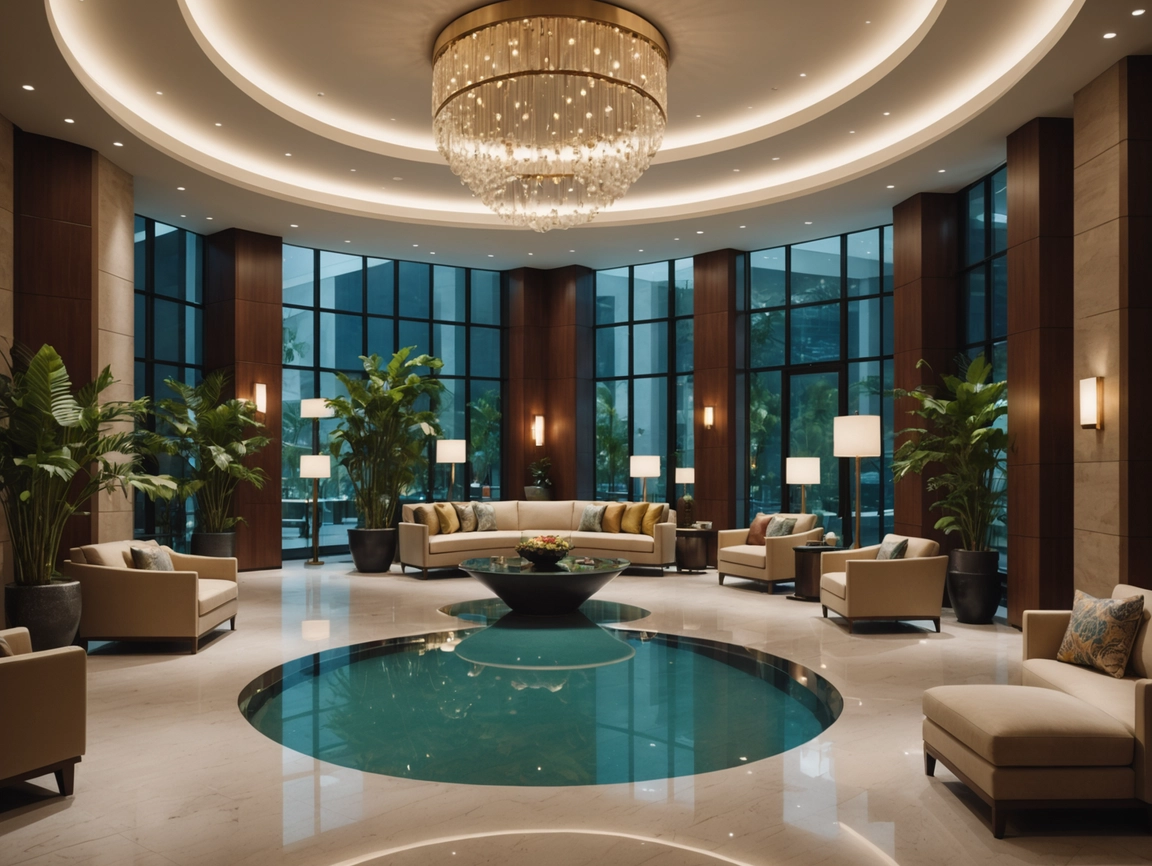
Neuroarchitecture examines how built environments affect human behaviour, emotions, and cognitive functions. By leveraging insights from neuroscience, architects and designers can create spaces that promote relaxation, productivity, and social interaction. This approach is particularly relevant in the hospitality sector, where guest experience is paramount. For example, a hotel lobby designed with open spaces, comfortable seating, and calming colours can make guests feel welcome and at ease, encouraging them to linger longer and enjoy their surroundings.
Key Principles of Neuroarchitecture in Hospitality Design
Biophilic Design: Incorporating natural elements such as plants, water features, and natural light can significantly enhance guest satisfaction. Studies show that exposure to nature reduces stress and improves mood, making it a crucial aspect of hospitality design. For instance, hotels that feature living walls or large windows offering views of natural landscapes report higher guest satisfaction scores. Additionally, the presence of indoor plants can improve air quality, which contributes to a healthier environment for guests.
Spatial Layout: The arrangement of spaces influences movement and interaction. Open layouts can foster social engagement, while private areas provide necessary solitude. Effective spatial design can enhance the overall guest experience. For example, a hotel that offers a variety of communal spaces, such as lounges or co-working areas, encourages guests to interact and connect with others, enriching their stay. Additionally, thoughtful placement of amenities such as cafés or fitness centres can create a seamless flow throughout the property, making it easier for guests to navigate and enjoy their experience.
Sensory Engagement: Engaging multiple senses through sound, texture, and scent can create memorable experiences. For instance, soft music and pleasant aromas can enhance relaxation in hotel lobbies and restaurants. Implementing scent design, such as using lavender for relaxation or citrus for energising spaces, can leave a lasting impression on guests. Furthermore, incorporating a variety of textures in furnishings and decor can make spaces feel more inviting and comfortable, encouraging guests to unwind.
Cognitive Load Reduction: Simplifying navigation and reducing clutter can improve guest comfort. Clear signage and intuitive layouts help guests feel more at ease, leading to a more enjoyable stay. For example, using colour-coded paths or landmarks within the hotel can help guests easily find their way to key areas like the pool, restaurant, or spa. This not only enhances their experience but also reduces frustration and stress related to navigating unfamiliar spaces.
Personalisation: Customisable environments that allow guests to adjust lighting, temperature, and other elements can enhance satisfaction. Personalisation fosters a sense of control and comfort. For instance, hotels can offer smart room technology that allows guests to set their preferred conditions before they arrive or even adjust them from their mobile devices. This level of control can greatly improve the overall experience, making guests feel valued and understood.
Applied Relevance for Investors and Developers
Investors and developers should recognise the growing demand for neuroarchitectural principles in hospitality design. As consumers become more aware of the impact of their environments on well-being, properties that incorporate these principles are likely to attract more guests and command higher rates. This awareness creates a unique opportunity for those who invest in and develop hospitality properties, as they can position themselves as leaders in a market that increasingly values mental and emotional health in design.
Market Differentiation: Properties that embrace neuroarchitecture can stand out in a competitive market. Unique design features that promote well-being can become key selling points. By highlighting aspects such as eco-friendly materials or innovative design elements, hotels can attract a clientele that prioritises health and sustainability. For example, a hotel that integrates wellness programmes alongside neuroarchitectural principles can create a holistic experience that differentiates it from others.
Increased ROI: Enhanced guest experiences lead to positive reviews, repeat visits, and increased occupancy rates. Investing in neuroarchitecture can yield significant returns through improved customer loyalty and brand reputation. Moreover, as guests share their positive experiences online, properties that prioritise neuroarchitectural principles can benefit from organic marketing, attracting new guests purely through word-of-mouth and social media posts.
Sustainability: Neuroarchitecture often aligns with sustainable design practices. Incorporating eco-friendly materials and energy-efficient systems not only appeals to environmentally conscious consumers but also reduces operational costs. For instance, the use of sustainable building materials, such as reclaimed wood or recycled steel, can not only enhance the aesthetic appeal of a property but also contribute to a lower carbon footprint, making it a smart choice for investors concerned about future regulations and consumer preferences.
Future-Proofing: As the hospitality industry evolves, integrating neuroarchitectural principles can help properties adapt to changing consumer preferences. Staying ahead of trends ensures long-term viability and relevance. For example, as remote work becomes a more permanent option for many, hotels that offer flexible workspace and amenities designed for business travellers and leisure guests alike will be well-positioned to attract a diverse range of clientele.
Conclusion
Neuroarchitecture presents a valuable opportunity for investors, developers, and hospitality managers to enhance guest experiences through thoughtful design. By focusing on principles that promote well-being, properties can differentiate themselves in a competitive market, increase returns on investment, and ensure sustainability. Embracing neuroarchitecture in hospitality design is not just an innovative approach; it is a strategic imperative for future success. As the industry moves forward, prioritising the human experience through neuroarchitectural insights will be crucial in shaping the next generation of hospitality spaces.
As a final note, investors, developers, and hospitality managers must recognise the urgency of this paradigm shift. The future of hospitality depends not only on luxurious amenities and picturesque views but also on the profound understanding of how spaces can influence our thoughts, feelings, and behaviours. By investing in neuroarchitecture for hospitality, the industry can create environments that not only welcome guests but also nurture their well-being, ensuring a successful and sustainable future.
In conclusion, neuroarchitecture for hospitality will become an essential consideration in designing contemporary spaces that resonate with the needs of our guests. As we continue to understand and appreciate the profound impact that our environments have on our mental and emotional well-being, the incorporation of neuroarchitectural principles will pave the way for a more thoughtful, human-centric approach to hospitality design.
With the increasing emphasis on mental health and environmental sustainability, the hospitality sector must take proactive steps to implement neuroarchitectural strategies that support these values. In doing so, they will not only enhance their brand image but also contribute positively to the wider community. The call to action for all stakeholders in the hospitality industry is clear: embrace neuroarchitecture for hospitality now, and be part of the solution that creates a healthier, happier, and more sustainable future for all.
In summary, neuroarchitecture for hospitality is more than just a trend; it is a transformative approach that addresses the fundamental needs of guests in an ever-evolving industry. By adopting these principles, hospitality providers can create environments that foster well-being, enhance guest experiences, and drive profitability. As we look to the future, the integration of neuroarchitecture into hospitality design will not only be beneficial for guests but will also revolutionise the way we think about space, comfort, and human experience.
The ongoing dialogue between neuroscience and architecture will continue to shape the future of hospitality design. Through collaborative efforts among architects, designers, neuroscientists, and hospitality managers, the industry can redefine what it means to create spaces that are not only beautiful but also inherently beneficial to human well-being. Investing in neuroarchitecture for hospitality is an essential step towards creating a brighter, healthier, and more engaging experience for guests, ensuring that every stay is memorable and fulfilling.
As the concept of neuroarchitecture for hospitality becomes more prevalent, industry professionals must remain informed about the latest research and trends in neuroscience, design, and guest preferences. This knowledge will empower them to make informed decisions about their properties and ensure that they remain competitive in a rapidly changing landscape. By committing to ongoing education and adaptation, stakeholders in the hospitality industry can unlock the full potential of neuroarchitecture, leading to spaces that not only serve their functional purpose but also enrich the lives of those who inhabit them.
In conclusion, as we delve deeper into the relationship between architecture, neuroscience, and hospitality, it becomes evident that the future of this industry lies in understanding and implementing neuroarchitectural principles. The collective effort to foster environments that enhance guest experience through neuroarchitecture will undoubtedly yield positive results in guest satisfaction, retention, and ultimately, profitability. The insights gained from neuroarchitecture for hospitality will pave the way for innovative designs that not only attract guests but also improve their overall well-being during their stay.
Ultimately, the integration of neuroarchitecture in hospitality not only benefits the guests but also supports the overall business model of accommodation providers. With the increasing focus on well-being and mental health, the hospitality industry must adapt to these changing paradigms by creating environments that prioritise the psychological and emotional needs of their customers. This shift in design philosophy is likely to lead to a more sustainable and successful approach to hospitality management.
Further reading
- What Is Neuroarchitecture?, a deeper look at the field, its origins, and the mechanisms that matter most in hospitality design
- Why Most Hotel Biophilic Design Delivers Half the Return It Should, where renovation briefs go wrong, and what genuine integration requires
- What Builder-Grade Interiors Are Actually Costing Hotel Developers, the commercial case for designing for human experience
- How We Brief a Hotel Wellness Fitout: Cocoplum’s Neuroarchitecture Process, what this looks like from brief to handover
